

If you feel constantly “on,” your brain wired for stress might be the reason, even when life looks fine on the outside.
Key Takeaways
-
Stress isn’t a sign that something is wrong with your life.
-
Your brain is wired for survival, not constant calm.
-
Modern stress often comes from perceived threats, not real danger.
-
Working with your nervous system is more effective than fighting it.
Have you ever had a day where nothing was technically wrong, but your body felt tense anyway? Work was fine. Life looked okay. Yet your mind wouldn’t slow down, and relaxing felt almost impossible.
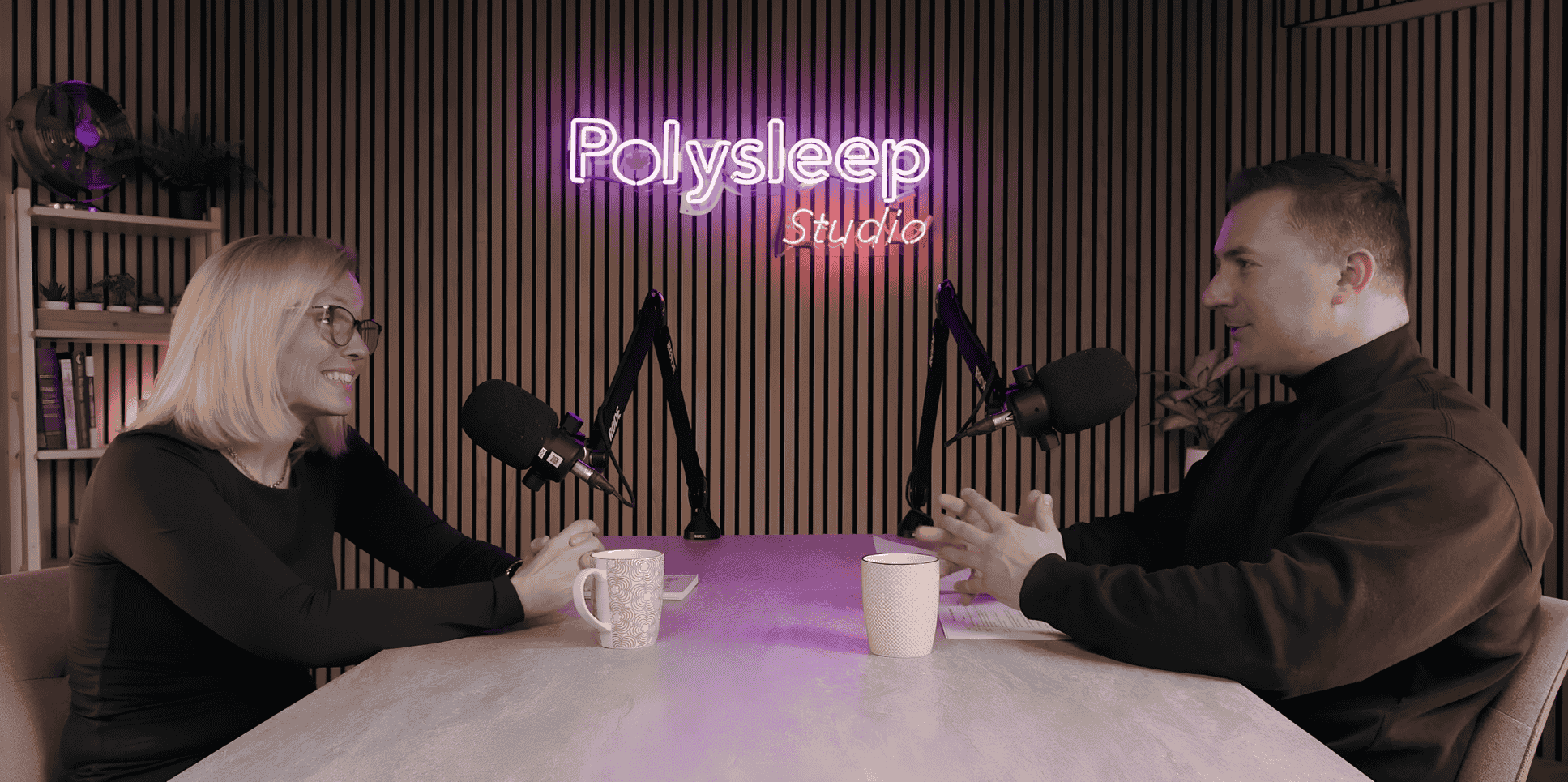
I’ve been there more times than I can count. For a long time, I assumed it meant I wasn’t managing things well enough. That I needed better habits, more discipline, or more time off. But after a conversation with Dr. Lara Patriquin on The Wake Up Call Podcast, I realized something important.
Stress isn’t always a sign that something is wrong with your life.
Often, it’s a sign that your brain is doing exactly what it was designed to do.
This episode explains why stress feels so constant in modern life and what it actually takes to work with your brain instead of fighting it.

Why Stress Feels Constant Even When Life Is Fine
Most people don’t describe themselves as stressed. They say they’re busy. They say it’s just a season. They say things will calm down after the next deadline.
But the body doesn’t wait. It stays alert. The nervous system remains switched on, holding tension even when you finally slow down.
According to Dr. Lara, stress isn’t a failure of willpower. It’s the default setting of a brain wired for survival, now living in a world that never really turns off.
The human brain wasn’t designed for peace and quiet. It evolved to scan for danger, react quickly, and keep us alive. Thousands of years ago, that meant predators and physical threats. That wiring worked — and it’s still running today.
The problem is that the threats have changed. Emails, deadlines, expectations, social pressure, and uncertainty now trigger the same stress response. The nervous system doesn’t distinguish between real danger and perceived pressure.
As a result, the brain can remain in a low-grade state of fight-or-flight even when life appears stable. That’s why stress often feels constant, subtle, and exhausting without a clear cause.
What Living in Survival Mode Looks Like
Stress doesn’t always show up as panic or anxiety. More often, it looks like:
-
Difficulty sleeping even when you’re exhausted
-
Always thinking one step ahead
-
Feeling productive but never fully present
-
Relaxing physically but not mentally
For many people, this state becomes normal. The body adapts until it can’t.
When the nervous system stays activated for too long, focus drops, creativity fades, and joy becomes harder to access. You might still perform well, but everything requires more effort.
Your Brain Isn’t Broken
One line from the conversation reframed stress entirely for me.
Your brain isn’t broken. It’s doing exactly what it was designed to do.
That understanding removes a lot of self-blame. Stress isn’t a personal weakness. It’s a biological response operating in an environment that constantly demands attention.
The goal isn’t to force calm. It’s to help the brain recognize when it’s safe.
Hear Dr. Lara Explain This in Context
DiscoverHow to Interrupt the Stress Loop
What makes this conversation different is that it doesn’t ask you to fix yourself. Dr. Lara focuses on working with the nervous system instead of overpowering it.
Mindfulness is about noticing when attention has been pulled into stress and gently bringing it back to the present moment. Not forcing calm — just noticing.
Breathwork plays a central role as well. Slow, intentional breathing signals safety to the body, which helps the brain stand down. Often, the body needs reassurance before the mind can follow.
She also discusses cognitive reframing. Stress intensifies when every thought is treated as fact. Learning to question those stories reduces their emotional weight. Curiosity, rather than resistance, changes how stress is experienced.
This Isn’t About Doing More
Most advice about stress sounds like another task. Meditate more. Optimize your routine. Be more disciplined.
But when you’re already overwhelmed, adding more pressure doesn’t help.
This conversation offers something different. It invites you to slow down internally, even when life doesn’t slow down externally. Stress doesn’t need to be eliminated. It needs to be understood.
A Practical Way to Start
Dr. Lara also shares her 21-Day Challenge, designed to gently retrain the brain out of autopilot stress. The focus isn’t perfection or dramatic change, but small, consistent shifts that help the nervous system settle into a new baseline.
-
Less reactivity
-
More awareness
-
More choice
Watch the full conversation
If you’ve been feeling wired, stretched thin, or quietly exhausted, this episode will feel familiar. It explains stress without judgment and offers tools that don’t require you to become a different person.

Final Thought
Stress isn’t proof that you’re failing. It’s proof that your brain is trying to protect you in a world that never really slows down.
Once you understand that, the path forward stops being about pushing harder and starts being about listening differently. And sometimes, that’s where real relief begins.
